I remember one particular Tuesday in late November a few years ago. The kind of night where the wind howls against the windows and the temperature drops so fast you can feel your bones getting colder just by stepping outside. I came home from work, exhausted, with my hands frozen in my pockets, and the last thing I wanted to do was stand over a stove for hours. But I also knew that ordering takeout would be expensive, and honestly, I didn’t want anything greasy. I wanted something that felt like a hug.
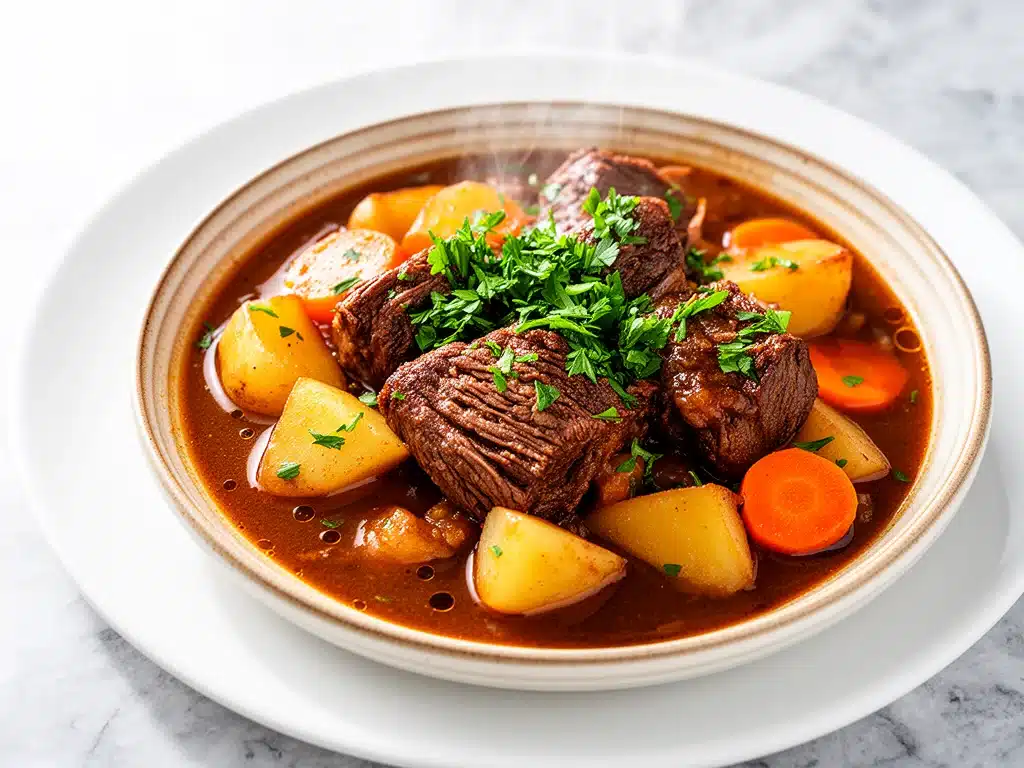
So, I made this classic beef stew. I threw it all in the slow cooker before I even took off my coat. By the time I showered and changed into my cozy sweatpants, the house smelled like heaven. Not just “cooked food” heaven, but that deep, savory, garlic-and-thyme kind of heaven that makes your stomach growl before you even sit down. That night, I realized something important: a good slow cooker beef stew isn’t just dinner. It’s comfort. It’s practical. It’s the ultimate solution for those long, dark winter evenings when you just want to come home to warmth.
I’ve probably made this recipe thirty times since then. Sometimes I’m in a rush, sometimes I’m meal prepping for the week, and sometimes I’m just craving that tender, fall-apart beef. Every single time, it works. It’s forgiving. It’s flavorful. And it’s surprisingly fast to get going, even if you’re tired. This classic beef stew with tender potatoes has become my go-to when the weather turns nasty and my energy turns low. It’s the kind of meal that feeds a crowd, tastes better the next day, and leaves you feeling warm from the inside out.
Why You’ll Love This Recipe
There are a lot of stew recipes out there, but this one sticks out because it actually delivers on what you need most on a cold night: flavor without fuss. I’ve tested versions that took all day, versions that were too salty, and versions where the meat stayed tough as leather. This one? It’s the sweet spot. Here’s why it’s earned a permanent spot in my weekly rotation:
Set It and Forget It — Seriously, this is the king of low-effort cooking. You chop, you toss, you press start. That’s it. I’ve made this while helping my kids with homework, and I’ve made it while watching a movie. The slow cooker does all the heavy lifting. You just get to enjoy the smell.
Tender Meat, Every Time — The secret isn’t fancy technique; it’s the cut of meat and the time. Using chuck roast and letting it braise slowly breaks down the connective tissue until it’s melt-in-your-mouth tender. No more tough, chewy beef that you have to fight with. Just spoonfuls of savory goodness.
Uses Up Leftovers — This is my favorite way to use up extra vegetables. Have a few carrots wilting in the crisper drawer? A potato that’s sprouting a little? Throw them in. The stew is forgiving and absorbs those flavors beautifully. It’s also great for using up leftover roasted chicken or turkey from a previous meal, though beef is traditional.
Freezer-Friendly Magic — I make a big batch on Sunday, eat some for dinner, and freeze the rest. Three months later, when I’m too tired to cook, I pull out a container, thaw it in the fridge, and reheat it. It tastes just as good as fresh. It’s my ultimate backup plan for busy weeknights.
Comfort in a Bowl — There’s something deeply satisfying about a hot, hearty stew on a cold day. It’s rustic, unpretentious, and incredibly filling. My kids love it, my husband requests it, and even my picky eater (who usually avoids “mushy” foods) can’t resist the tender potatoes and beef.
Ingredients You’ll Need
Here’s the best part: you probably have most of this already in your pantry or freezer. This classic beef stew relies on simple, affordable ingredients that come together to create something special. I’m particular about a few things here, mostly the cut of meat and the quality of your herbs, but otherwise, it’s pretty straightforward.
Beef Chuck Roast (2 pounds / 900g) — This is non-negotiable for me. Chuck roast has the right amount of fat and connective tissue to stay moist and tender during long cooking. Leaner cuts like sirloin will dry out and get tough. Ask your butcher to cut it into 1.5-inch cubes, or do it yourself. Uniform chunks cook evenly.
Yellow Onion (1 large, diced / about 200g) — Sweet, aromatic, and foundational. It adds depth to the broth. I use yellow because it caramelizes nicely and doesn’t have the sharp bite of white onions. If you only have red onions, they work, but they’ll turn the stew a bit purple. Not a dealbreaker, just a visual thing.
Garlic (4 cloves, minced / about 2 tablespoons) — Fresh garlic is key. Jarred garlic has a metallic aftertaste that really shows up in slow cooker recipes where flavors concentrate. Mince it yourself. If you’re in a rush, pre-peeled cloves from the produce section are a decent shortcut, but fresh tastes better.
Carrots (3 medium, peeled and chopped / about 300g) — Classic stew veg. I chop them into thick chunks so they don’t turn to mush. They add sweetness and color. If you hate carrots, swap them for parsnips or turnips. I’ve done it, and it’s still delicious.
Potatoes (3 medium russet or Yukon Gold, cubed / about 600g) — Russets break down a bit and thicken the stew, which I like. Yukon Golds hold their shape better if you prefer distinct chunks. Either works. Just don’t use waxy red potatoes; they stay too firm and don’t absorb the sauce well.
Beef Broth (3 cups / 720ml) — Low-sodium is best so you can control the saltiness. I use a good quality beef broth, but homemade stock is even better if you have it. Vegetable broth works for a vegetarian version, though the flavor will be lighter.
Tomato Paste (2 tablespoons) — This adds richness and a touch of acidity that balances the fat. It’s not tomato sauce; it’s concentrated. Don’t skip it. It’s the secret to that deep, savory color and flavor.
Worcestershire Sauce (1 tablespoon) — A few dashes add umami and complexity. It’s subtle, but you’ll miss it if it’s not there. Soy sauce is a decent substitute if you don’t have it, but Worcestershire has a unique tang.
Dried Thyme and Rosemary (1 teaspoon each) — Dried herbs are actually better than fresh here because they stand up to long cooking. Fresh herbs turn bitter and disintegrate. If you only have fresh, use half the amount and add them in the last hour.
Bay Leaves (2 leaves) — They infuse the broth with a subtle herbal note. Remove them before serving, obviously. I always forget one, and it’s a choking hazard. Set out a small bowl to put them in.
All-Purpose Flour (2 tablespoons) — This is your thickener. I toss the beef in it before adding it to the pot, which helps create a nice gravy-like consistency. Cornstarch works too, but flour gives a more traditional texture.
Butter or Olive Oil (2 tablespoons) — For searing the beef. If you skip searing, the stew will be less flavorful. Don’t skip this step if you can help it.
Equipment Needed
You don’t need fancy gadgets for this. Here’s what I actually use in my kitchen:
Slow Cooker (Crock-Pot) — A 6-quart model is perfect for this amount. It needs to fit the beef, veggies, and liquid with a little room to bubble. I’ve used both ceramic and stainless steel inserts; ceramic heats more evenly, but stainless steel is easier to clean. Either works.
Large Skillet or Dutch Oven — For searing the beef. I use a 12-inch skillet. Cast iron is great for heat retention, but stainless steel or non-stick works fine too. You just need something with high sides so the beef doesn’t splatter.
Sharp Chef’s Knife — For chopping the beef, onions, carrots, and potatoes. A dull knife is dangerous and makes chopping tedious. Keep it sharp.
Cutting Board — Any size works. I use a large plastic one for easy cleanup.
Wooden Spoon or Silicone Spatula — For stirring. Silicone is easier to clean, but wood feels nice. Just avoid metal if you’re using a non-stick skillet.
Measuring Cups and Spoons — Standard stuff. Dollar store versions work fine.
Colander — For rinsing the vegetables if needed. Or just wash them in the sink.
Small Bowl — For tossing the beef with flour. Or just use a zip-top bag, which is easier for coating.
How to Make It: Step-by-Step
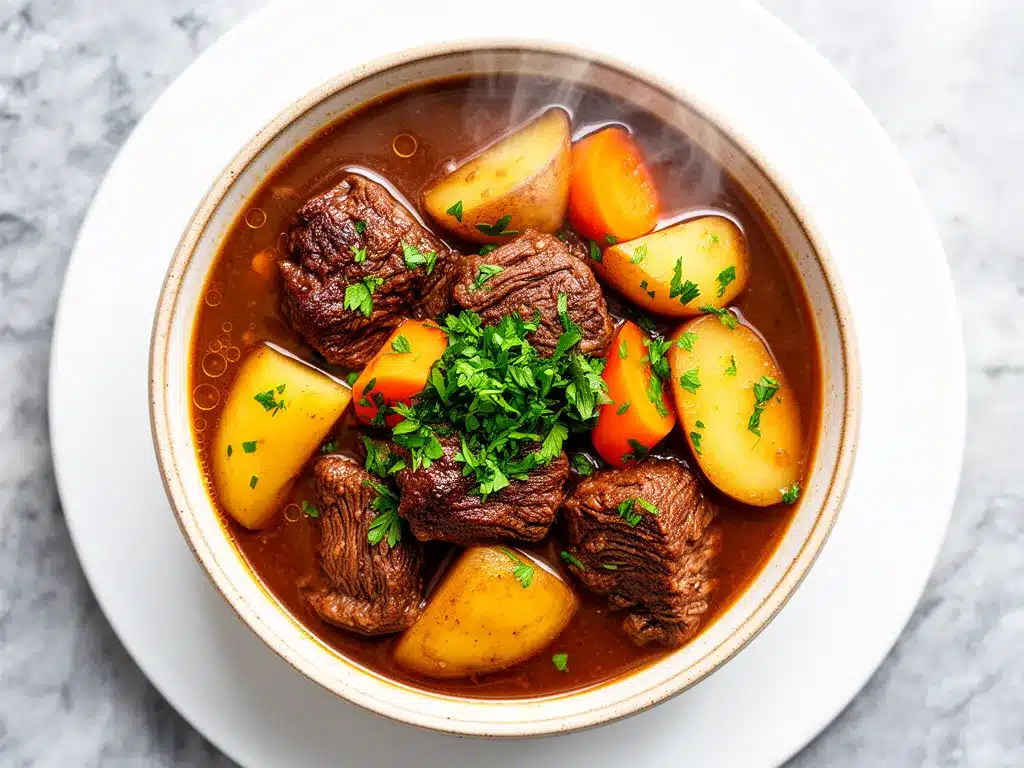
Alright, let’s make this! I’m walking you through exactly how I do it, including the little tricks I’ve picked up over the years. It’s simpler than it looks.
Step 1: Prep Your Beef (5 minutes)
Cut the chuck roast into 1.5-inch cubes. Try to keep them uniform so they cook evenly. In a large bowl, toss the beef cubes with the flour, salt, and pepper. Coat them well. The flour will help thicken the stew later and create a nice crust when searing. If you’re using a zip-top bag, put the beef and flour in the bag, seal it, and shake it. Much easier cleanup.
Step 2: Sear the Beef (5-7 minutes)
Heat the butter or olive oil in your skillet over medium-high heat. Add the beef in batches. Don’t crowd the pan! If you put too much in at once, the beef steams instead of sears, and you won’t get that flavorful brown crust. Sear each batch for 2-3 minutes per side until deeply browned. Remove to a plate. This step adds so much flavor. I know it’s tempting to skip it, but trust me, it’s worth the extra five minutes.
Step 3: Sauté the Aromatics (3 minutes)
In the same skillet, add the diced onions. Cook for 2-3 minutes until they start to soften. Add the minced garlic and cook for 30 seconds more, just until fragrant. Don’t let the garlic burn! Deglaze the pan with a splash of beef broth, scraping up any browned bits from the bottom. Those bits are flavor gold. Pour this mixture into the slow cooker.
Step 4: Add the Veggies and Liquids (2 minutes)
Add the cubed potatoes, carrots, tomato paste, Worcestershire sauce, dried thyme, dried rosemary, and bay leaves to the slow cooker. Pour in the beef broth. Stir everything together. The liquid should mostly cover the ingredients, but don’t worry if it’s a bit low; the veggies will release water as they cook.
Step 5: The Long Cook (6-8 hours)
Add the seared beef and any juices from the plate into the slow cooker. Cover and cook on LOW for 6-8 hours. This low and slow method is what makes the beef tender. If you’re in a rush, you can cook on HIGH for 3-4 hours, but the beef might not be as tender. I always recommend LOW. Set it in the morning, and it’ll be ready by dinner.
Step 6: Check and Serve (2 minutes)
After 6 hours, check the beef. It should be fork-tender. If it’s still tough, cook for another hour. The potatoes should be soft but not disintegrating. Taste the broth. Add more salt and pepper if needed. If the stew is too thin, mix 1 tablespoon of cornstarch with 1 tablespoon of cold water and stir it in. Cook on HIGH for 30 more minutes to thicken. If it’s too thick, add a splash of broth or water. Serve hot with crusty bread or biscuits.
Expert Tips & Tricks
Here’s everything I’ve learned from making this dozens of times. These tips will save you from my mistakes.
Don’t Skip the Sear
I know it’s an extra step, but searing the beef creates the Maillard reaction, which adds deep, savory flavors that boiling alone can’t achieve. It’s the difference between “okay” stew and “amazing” stew. I learned this the hard way when I tried a “dump-and-go” version and it tasted flat.
Cut the Meat Uniformly
If some pieces are tiny and others are huge, the small ones will overcook while the big ones stay tough. Aim for 1.5-inch cubes. It takes a few extra minutes, but the result is worth it.
Use Low-Sodium Broth
Slow cookers concentrate flavors. If you use high-sodium broth, your stew might end up too salty. Start with low-sodium, taste at the end, and add salt if needed. You can always add salt, but you can’t take it out.
Add Dairy at the End (Optional)
For a richer stew, stir in a splash of heavy cream or a dollop of sour cream right before serving. It adds a luxurious texture and balances the acidity. I do this when I’m feeling fancy.
Thicken Smartly
If your stew is too thin, don’t just cook it longer; the veggies might turn to mush. Use a cornstarch slurry (1:1 ratio) and add it in the last 30 minutes. It thickens quickly and clearly.
Freeze in Portions
Once cooled, portion the stew into airtight containers or freezer bags. Lay flat in the freezer to save space. It freezes beautifully for up to 3 months. Thaw in the fridge overnight before reheating.
Variations & Substitutions
Once you’ve nailed the basic version, here’s how you can mix it up. I’ve tried all of these.
Mushroom Lover’s
Sauté 8oz sliced mushrooms with the onions. Add them to the slow cooker. They add an earthy, meaty flavor that complements the beef perfectly. I use this version when I want something extra savory.
Tomato-Heavy
Add 1 can (14oz) of diced tomatoes along with the broth. This makes the stew more acidic and robust, similar to a boeuf bourguignon. Great with red wine if you want to get fancy.
Gluten-Free
Use gluten-free beef broth and substitute the flour with cornstarch or a gluten-free all-purpose blend. Everything else is naturally gluten-free. I’ve used King Arthur Gluten-Free Flour, and it works great.
Vegetarian
Skip the beef and use extra vegetables like cauliflower, mushrooms, and celery. Use vegetable broth and add a can of beans for protein. It’s not the same, but it’s still hearty and delicious. My vegetarian friend loves this version.
Spicy Kick
Add a teaspoon of red pepper flakes or a diced jalapeño. It adds a nice heat that cuts through the richness. I do this when I want something with a bit of zing.
Serving & Storage
How to Serve:
I usually serve this straight from the slow cooker into large bowls. It looks rustic and stays warm. Here are other ways I’ve enjoyed it:
- Crusty Bread: Essential for dipping. Garlic bread or a baguette works great.
- Biscuits: Fluffy buttermilk biscuits are perfect for soaking up the gravy.
- Simple Green Salad: A light salad with vinaigrette balances the heaviness of the stew.
- Roasted Vegetables: Broccoli or asparagus adds a fresh crunch.
Storage Instructions:
Refrigerator:
Store in an airtight container for up to 4 days. The flavors actually get better after a day or two as they meld together.
Reheating:
Best method: Reheat in a saucepan over medium-low heat, stirring occasionally. Add a splash of broth or water if it’s too thick. Microwave method: Heat in 1-minute intervals, stirring between. It works, but can heat unevenly.
Freezing:
This stew freezes beautifully. Cool completely, then transfer to freezer-safe containers or bags. Freeze for up to 3 months. Thaw in the fridge overnight before reheating.
Pro Tip:
If the stew separates in the fridge, just stir it well when reheating. The fat will melt back in. Don’t worry about it.
Nutrition Information
I’m not a nutritionist, but here’s the breakdown if you’re tracking. Per serving (based on 6 servings):
- Calories: 380
- Protein: 28g
- Carbs: 35g
- Fiber: 4g
- Sugar: 6g
- Fat: 14g
- Saturated Fat: 5g
- Cholesterol: 75mg
- Sodium: 450mg
It’s a hearty, protein-rich meal with plenty of vegetables. The sodium can be controlled by using low-sodium broth. It’s not a “diet” food, but it’s balanced and filling. When I want to make it lighter, I add more carrots and potatoes and less beef, but honestly, I usually just enjoy a reasonable portion and move on.
Final Thoughts
So that’s my go-to classic beef stew! I’ve probably talked your ear off at this point, but when you make a recipe this often, you have a lot to say about it. This has saved weeknight dinners more times than I can count. It’s my answer to “what’s for dinner” when I’m tired, don’t want takeout, and still want something that tastes really good. My kids are happy, my husband’s happy, and I’m happy because I’m not stressed about cooking.
Make it yours! Try different add-ins, swap in your favorite vegetables, adjust the herbs to your taste. The best recipes are the ones you adapt to your family’s tastes. If you make this, drop a comment and let me know what you think! I love hearing how recipes turn out in your kitchen. And if something doesn’t work, tell me that too—I’m here to help troubleshoot.
Happy cooking! And I hope your kitchen smells half as good as mine does right now.
Frequently Asked Questions
Can I use a different cut of beef?
You can, but chuck roast is best for slow cooking. It has enough fat to stay moist. Lean cuts like sirloin or round will get dry and tough. If you must use a different cut, reduce the cooking time and check early.
Why is my stew too watery?
This usually happens if you didn’t sear the beef (which releases some liquid) or if you used too much broth. Let it cook uncovered on HIGH for the last hour to reduce the liquid. Or use a cornstarch slurry to thicken it.
Can I make this in an Instant Pot?
Yes! Sear the beef on Sauté mode, then add everything else. Cook on High Pressure for 35 minutes, then natural release for 10 minutes. It’s faster but requires more attention.
How do I reheat leftovers without it getting dry?
Add a splash of broth or water when reheating. This restores the moisture. Microwave in short bursts, stirring in between.
Can I freeze this stew?
Absolutely. It freezes well for up to 3 months. Cool completely before freezing. Thaw in the fridge overnight.
Can I add wine?
Yes! Add ½ cup of red wine (like Cabernet or Merlot) along with the broth. It adds depth and richness. Cook off the alcohol for a minute before adding to the slow cooker.
What if I don’t have thyme or rosemary?
Use dried oregano or Italian seasoning. It won’t be exactly the same, but it’ll still be tasty. Fresh herbs can be used, but add them in the last hour to prevent bitterness.
Pin This Recipe!
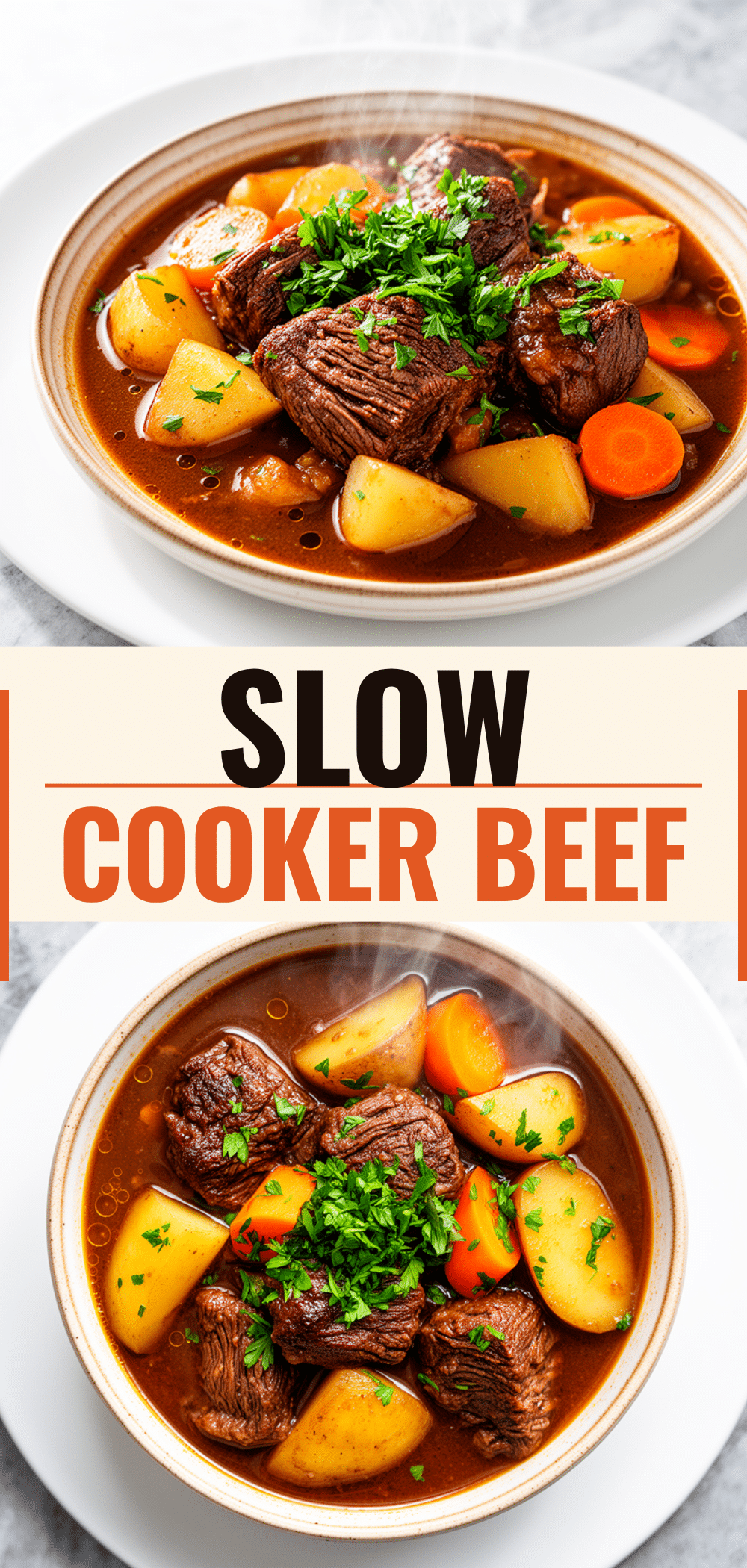
Classic Beef Stew: Easy 1-Hour Slow Cooker Recipe
- Total Time: 6 hours 15 minutes
- Yield: 6 servings 1x
Description
A comforting, slow-cooker beef stew made with tender chuck roast, root vegetables, and savory herbs. This forgiving recipe is perfect for busy weeknights and freezes beautifully.
Ingredients
- 2 pounds beef chuck roast, cut into 1.5-inch cubes
- 1 large yellow onion, diced
- 4 cloves garlic, minced
- 3 medium carrots, peeled and chopped into thick chunks
- 3 medium russet or Yukon Gold potatoes, cubed
- 3 cups low-sodium beef broth
- 2 tablespoons tomato paste
- 1 tablespoon Worcestershire sauce
- 1 teaspoon dried thyme
- 1 teaspoon dried rosemary
- 2 bay leaves
- 2 tablespoons all-purpose flour
- 2 tablespoons butter or olive oil
- Salt and pepper to taste
Instructions
- Cut the chuck roast into 1.5-inch uniform cubes. Toss the beef cubes with flour, salt, and pepper until well coated.
- Heat butter or olive oil in a large skillet over medium-high heat. Sear the beef in batches (do not crowd the pan) for 2-3 minutes per side until deeply browned. Remove to a plate.
- In the same skillet, sauté the diced onions for 2-3 minutes until softened. Add minced garlic and cook for 30 seconds until fragrant. Deglaze the pan with a splash of beef broth, scraping up browned bits.
- Transfer the onion and garlic mixture to the slow cooker. Add the cubed potatoes, carrots, tomato paste, Worcestershire sauce, dried thyme, dried rosemary, and bay leaves.
- Pour in the beef broth and stir to combine. Add the seared beef and any accumulated juices to the slow cooker.
- Cover and cook on LOW for 6-8 hours until the beef is fork-tender. Alternatively, cook on HIGH for 3-4 hours.
- Check for doneness. If the stew is too thin, mix 1 tablespoon cornstarch with 1 tablespoon cold water and stir it in, cooking on HIGH for 30 more minutes to thicken. Adjust seasoning with salt and pepper. Serve hot.
Notes
Do not skip searing the beef for maximum flavor. Use low-sodium broth to control saltiness. For a richer texture, stir in heavy cream or sour cream before serving. This stew freezes well for up to 3 months.
- Prep Time: 15 minutes
- Cook Time: 6-8 hours
- Category: Main Course
- Cuisine: American
Nutrition
- Serving Size: 1 bowl
- Calories: 380
- Sugar: 6
- Sodium: 450
- Fat: 14
- Saturated Fat: 5
- Carbohydrates: 35
- Fiber: 4
- Protein: 28
Keywords: beef stew, slow cooker recipe, comfort food, winter dinner, chuck roast, easy dinner, meal prep