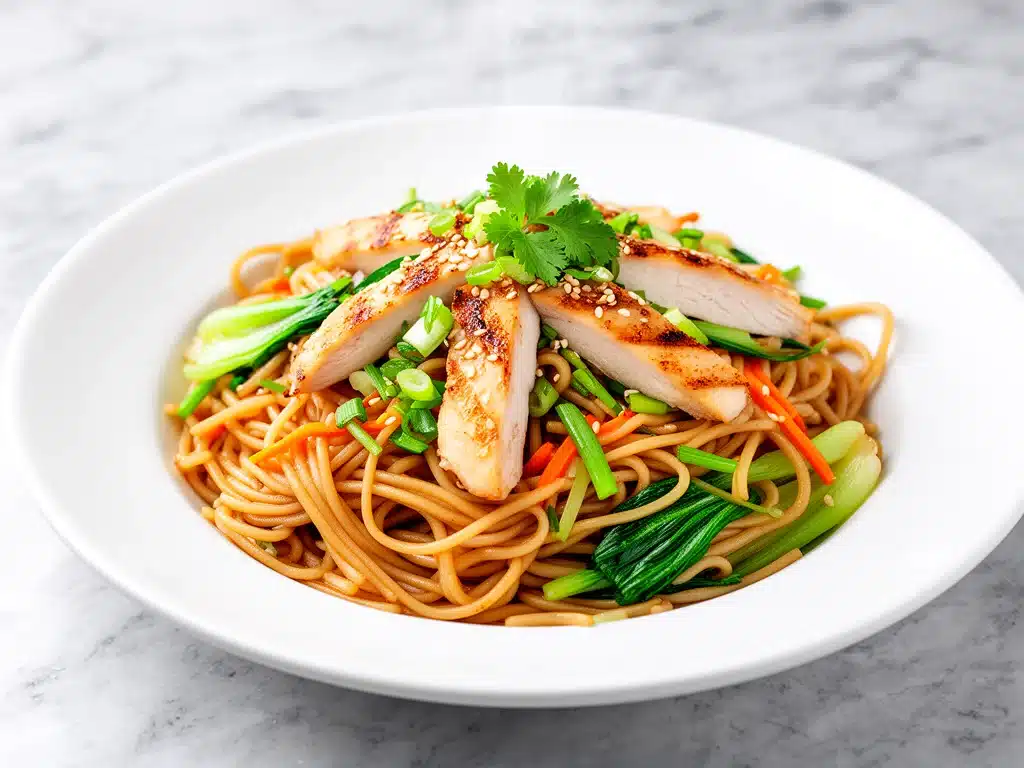
There was a winter about four years ago when I was absolutely obsessed with lo mein. I’m not talking about the sad, soggy version from a plastic bag that arrives cold and greasy. I’m talking about the kind from that small, bustling takeout spot on the corner of 4th and Main. You know the place—the one where the kitchen is open, the air is thick with garlic and sesame oil, and the line wraps around the block on Friday nights.
I would order it every single week. It became my comfort food when work was stressful, my reward when I was tired, and my go-to when I didn’t want to think about what to cook for dinner. But then, one Tuesday, I looked at the receipt. $18 for two entrees and a side of egg rolls? That’s $36 for dinner. And half of it ended up in the trash because it was too salty to finish.
I made a pact with myself: I was going to make restaurant-style chicken lo mein at home. Better than the takeout. Faster than the drive-thru. And cheap enough that I could do it twice a week if I wanted to.
It took me seven attempts. The first batch was a mushy, salty disaster. The noodles clumped together into a brick. The chicken was rubbery. But by attempt number seven, I had it down. The noodles were silky and separate. The sauce coated every strand without pooling at the bottom of the bowl. And the whole thing took 30 minutes, starting from a raw chicken breast.
Now, this restaurant-style chicken lo mein is my secret weapon. When my kids ask for takeout, I make this instead. They don’t even miss the delivery guy. It’s become the star of our weeknight rotation, right up there with my cheesy broccoli and chicken fritters for getting veggies into picky eaters. If you’ve been hunting for that authentic, savory, slightly sweet taste of your favorite Chinese takeout spot, you’re going to love this. It’s easier than you think, and it’s going to save you a fortune.
Why You’ll Love This Chicken Lo Mein Recipe
Let’s be real. We all love takeout. But cooking this at home hits different. It’s faster, healthier, and honestly? It just tastes fresher. Here’s why this chicken lo mein recipe has earned a permanent spot in your weekly meal plan.
Lightning Fast — Seriously, from chopping to plate, it’s 30 minutes. The noodles cook in 4 minutes. The chicken cooks in 5. The rest is just assembly. I’ve made this on weeknights after putting the kids to bed, and it still comes together in time for a quick snack or a light late dinner.
Actually Healthy — Takeout lo mein is often swimming in oil and sodium. This version uses a controlled amount of soy sauce and sesame oil, plus a ton of fresh vegetables. You’re getting protein from the chicken, fiber from the veggies, and carbs from the noodles. It’s a balanced meal, not a hangover-inducing feast.
Customizable for Everyone — My husband loves it with extra chicken. My daughter prefers it with just broccoli and carrots. I like it with a little extra heat from chili crisp. This recipe is a blank canvas. You can swap the protein, change the veggies, and adjust the spice level without changing the core technique.
Pantry-Friendly Sauce — You probably have 90% of the sauce ingredients in your kitchen right now. Soy sauce, oyster sauce (or a sub), brown sugar, garlic, ginger. You don’t need to run to a specialty Asian market for this. I make the sauce in the bowl while the water boils for the noodles.
Leftovers Are Delicious — Lo mein actually tastes better the next day. The noodles soak up more of that savory sauce. I make extra specifically for lunch the next day, and it reheats beautifully in the microwave or on the stove.
This is the kind of dinner that makes you feel like a culinary genius without the stress. No complicated techniques, no obscure ingredients, just reliable, delicious food that tastes like you spent hours on it. But you didn’t. You spent 30 minutes.
Ingredients You’ll Need
Here’s the best part: the sauce is incredibly simple. You don’t need a trip to the Asian grocery store unless you want to experiment. I’m particular about a few things here, so let’s break down exactly what you need and why.
For the Noodles:
Lo Mein Noodles (1 pound / 450g) — This is the star. Look for fresh egg noodles, usually found in the refrigerated section of the supermarket, not the dried aisle. They’re wider, softer, and have that perfect chew. If you can’t find them, dried egg noodles or even spaghetti (cut in half) work in a pinch, but fresh is best.
Cooking Oil (1 tablespoon) — Just a neutral oil like vegetable or canola to keep the noodles from sticking after they’re drained.
For the Protein:
Chicken Breast (1.5 pounds / 680g) — Boneless, skinless. I like to slice it thinly against the grain. This makes it cook fast and stay tender. Thighs work too if you prefer darker meat, but breast is leaner and cooks quicker.
Velveting Marinade — This is the secret to restaurant-style tenderness. You’ll need: 1 tablespoon soy sauce, 1 teaspoon cornstarch, and 1 teaspoon sesame oil. The cornstarch creates a protective barrier around the chicken, keeping it juicy even when cooked at high heat.
For the Vegetables:
Broccoli Florets (2 cups) — Cut into small, bite-sized pieces. They add crunch and color. If you prefer, you can use cauliflower or snap peas.
Carrots (2 medium, julienned or thinly sliced) — Add sweetness and crunch. Julienne them so they cook evenly with the broccoli.
Green Onions (4-5 stalks) — White parts for cooking, green parts for garnish. Don’t skip the white parts; they add onion flavor to the sauce.
Garlic (4 cloves, minced) — Fresh is non-negotiable here. Jarred garlic has a metallic taste that clashes with the delicate noodle sauce.
Fresh Ginger (1 tablespoon, minced) — Again, fresh. Grate it or mince it finely. Ginger gives that bright, zesty kick that defines lo mein.
For the Sauce:
Soy Sauce (3 tablespoons) — I use regular Kikkoman or a similar brand. Low-sodium works if you’re watching salt, but you might need to add a pinch more later.
Oyster Sauce (2 tablespoons) — This is the umami bomb. It adds that deep, savory sweetness. If you’re vegetarian, use vegetarian oyster sauce (mushroom-based) or just add an extra tablespoon of soy sauce and a pinch of sugar.
Brown Sugar (1 tablespoon) — Balances the saltiness of the soy sauce. Don’t skip it; it helps caramelize the sauce slightly.
White Vinegar or Rice Vinegar (1 teaspoon) — Just a splash to cut through the richness. It adds brightness.
Sesame Oil (1 teaspoon) — Toasted sesame oil. Use the small bottle, not the cooking oil. It’s potent. A little goes a long way.
Chicken Broth (2 tablespoons) — Helps thin the sauce slightly so it coats the noodles evenly without being too thick.
For Garnish:
Red Pepper Flakes or Chili Crisp — Optional, but recommended if you like a little heat. Chili crisp adds crunch and flavor.
Sesame Seeds — Toasted sesame seeds are nice for texture and looks.
Equipment Needed
You don’t need fancy equipment for this. Here’s what I actually use in my kitchen.
Large Wok or Skillet — A 12-inch wok is ideal because of its shape, which helps toss the noodles. But a large non-stick skillet or even a Dutch oven works fine. You just need surface area.
Large Pot — For boiling the noodles. A 6-quart pot is perfect.
Sharp Knife — For slicing the chicken and chopping veggies. A dull knife makes slicing chicken dangerous and uneven.
Cutting Board — Any size works. I use a large plastic one for easy cleanup.
Mixing Bowls — One medium bowl for the marinade, one small bowl for the sauce. Having these ready before you start cooking saves you from scrambling later.
Slotted Spoon or Tongs — For lifting the chicken out of the pan and tossing the noodles. Tongs are my favorite for the final toss.
Measuring Spoons — For the sauce. Precision matters here for balancing sweet and salty.
Optional but Nice:
Garlic Press — Saves time on mincing garlic.
Microplane Grater — If you prefer grated ginger over minced.
How to Make It: Step-by-Step
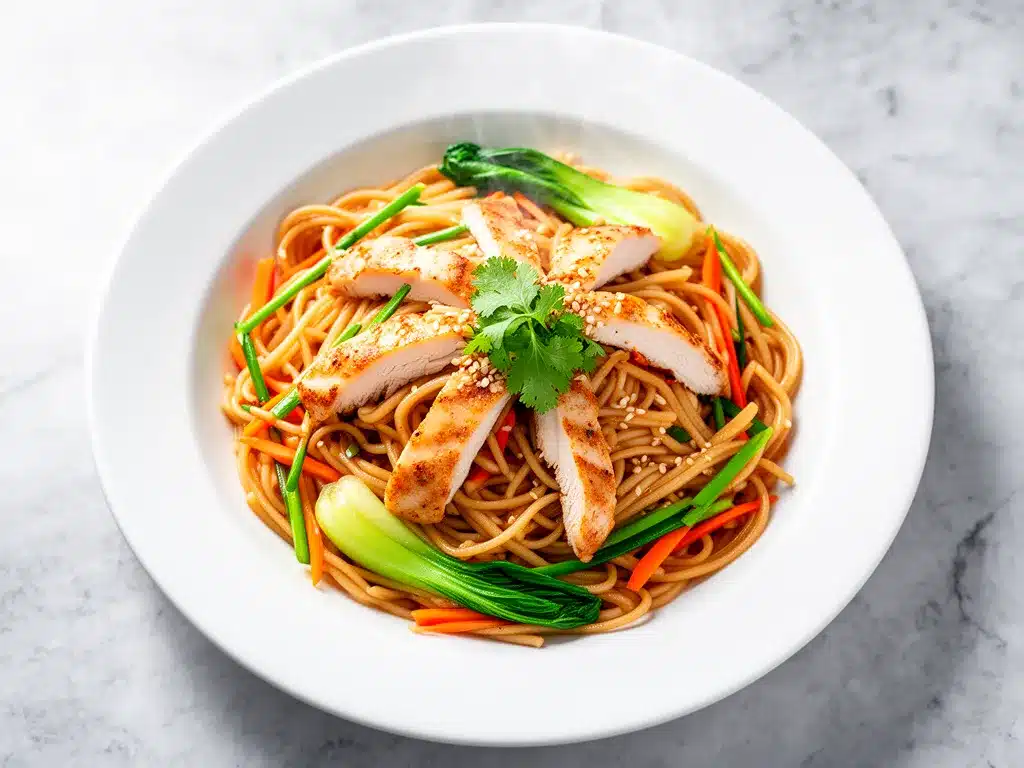
Alright, let’s make this! I’m walking you through exactly how I do it, including the little tricks I’ve picked up over the years. This restaurant-style chicken lo mein recipe is all about timing, so let’s get organized.
Step 1: Prep Your Chicken (5 minutes)
Slice your chicken breasts into thin strips against the grain. This is crucial. Cutting against the grain shortens the muscle fibers, making the chicken tender instead of chewy. Place the strips in a bowl and add 1 tablespoon soy sauce, 1 teaspoon cornstarch, and 1 teaspoon sesame oil. Mix well and let it sit while you prep the veggies. This marinade “velvets” the chicken, keeping it juicy.
Step 2: Chop Your Vegetables (5 minutes)
While the chicken marinates, chop your broccoli into small florets, julienne your carrots, and mince your garlic and ginger. Slice the white parts of the green onions. Having everything ready before you turn on the heat is key because this recipe cooks fast. If you’re prepping while the water boils, you’ll be fine. But don’t wait until the pan is hot.
Step 3: Make the Sauce (2 minutes)
In a small bowl, whisk together 3 tablespoons soy sauce, 2 tablespoons oyster sauce, 1 tablespoon brown sugar, 1 teaspoon vinegar, 1 teaspoon sesame oil, and 2 tablespoons chicken broth. Whisk until the sugar is dissolved. Set aside. This sauce is the soul of the dish, so taste it before you cook. It should be savory, slightly sweet, and salty.
Step 4: Boil the Noodles (4 minutes)
Bring a large pot of salted water to a boil. Add the fresh lo mein noodles. Cook according to package directions, usually 3-4 minutes. They should be tender but still have a slight chew (al dente). Important: Do not overcook them, or they’ll turn to mush when you toss them in the sauce. Drain the noodles and rinse them briefly with cold water to stop the cooking. Toss them with 1 tablespoon of neutral oil to prevent sticking. Set aside.
Step 5: Cook the Chicken (5 minutes)
Heat 1 tablespoon of oil in your wok or large skillet over medium-high heat. Add the marinated chicken in a single layer. Let it cook undisturbed for 2 minutes to get a nice sear. Then stir and cook for another 3 minutes until cooked through and golden. Remove the chicken from the pan and set aside on a plate. Don’t clean the pan; those brown bits are flavor.
Step 6: Sauté the Vegetables (3 minutes)
Add another tablespoon of oil to the same pan. Add the broccoli and carrots. Stir-fry for 2 minutes until they start to soften but still have crunch. Add the garlic, ginger, and white parts of the green onions. Cook for 30 seconds until fragrant. Be careful not to burn the garlic—it turns bitter quickly.
Step 7: Combine and Toss (2 minutes)
Add the cooked chicken and the noodles back into the pan with the vegetables. Pour the sauce over everything. Using tongs or two large spoons, toss everything together vigorously. You want the sauce to coat every noodle and piece of chicken. Cook for 1-2 minutes, letting the sauce thicken slightly and cling to the noodles. If it looks too dry, add a splash of water or broth.
Step 8: Serve
Transfer to serving bowls. Top with the green parts of the green onions, sesame seeds, and red pepper flakes if you like heat. Serve immediately while hot.
Total Time: About 30 minutes (10 minutes prep, 20 minutes cooking)
Expert Tips & Tricks
Here’s everything I’ve learned from making this dozens of times. These tips will save you from my mistakes.
Don’t Overcook the Noodles
This is the #1 mistake people make. Fresh lo mein noodles cook in minutes. If they’re too soft in the pot, they’ll be mushy in the pan. Undercook them slightly; they’ll finish cooking in the hot sauce.
High Heat is Your Friend
Lo mein is a stir-fry. You want high heat to get that “wok hei” (breath of the wok) flavor. If your pan is crowded, cook in batches. Don’t steam the chicken by overcrowding the pan.
Velveting is Non-Negotiable
The cornstarch marinade isn’t just for show. It creates a barrier that keeps the chicken moist. Without it, chicken breast cooked at high heat often turns dry and rubbery. Trust the cornstarch.
Use Fresh Ginger and Garlic
Powdered ginger and garlic just don’t have the same punch. Fresh ingredients make a huge difference in the aroma and taste. Grate the ginger for the best texture.
Adjust Sauce Consistency
Every brand of noodle and vegetable releases different amounts of water. If the sauce is too thick, add a splash of broth. If it’s too thin, let it simmer a minute longer or add a tiny slurry of cornstarch and water.
Common Mistakes (and how to avoid them):
Mistake: Sauce is too salty
Fix: Use low-sodium soy sauce and balance with a little more brown sugar or vinegar. Always taste the sauce before adding it to the noodles.
Mistake: Noodles are stuck together
Fix: Rinse the cooked noodles with cold water and toss with oil immediately. This stops the cooking and prevents sticking.
Mistake: Vegetables are soggy
Fix: Cook them quickly over high heat. Don’t cover the pan. Steam makes vegetables soft; dry heat makes them crisp-tender.
Pro Tricks I’ve Learned:
Add Chili Crisp at the End
For a modern twist, drizzle chili crisp over the finished dish. It adds crunch, heat, and a beautiful red color.
Use Leftover Chicken
Roasted chicken or rotisserie chicken works great here. Just skip the velveting step and add it in at the end to warm through.
Make It Ahead
You can prep the chicken, chop the veggies, and mix the sauce up to 24 hours in advance. Store everything in separate containers in the fridge. When you’re ready to cook, just heat and toss. This is perfect for busy weeknights.
Variations & Substitutions
Once you’ve nailed the basic version, here’s how you can mix it up. I’ve tried all of these.
Shrimp Lo Mein
Swap the chicken for 1 pound of large shrimp. Cook them for 2-3 minutes until pink. They pair beautifully with the sauce.
Beef Lo Mein
Use flank steak or sirloin, sliced thin. Marinate with the same velveting mixture. Beef and lo mein is a classic combo.
Vegetarian Lo Mein
Skip the meat and add extra veggies like mushrooms, bok choy, or bell peppers. Use vegetarian oyster sauce or just soy sauce. Add tofu for protein.
Spicy Lo Mein
Add 1-2 tablespoons of chili garlic sauce or Sriracha to the sauce mixture. Or top with chili crisp.
Gluten-Free Lo Mein
Use gluten-free noodles (rice noodles or buckwheat soba) and tamari instead of soy sauce. Make sure your oyster sauce is gluten-free (some contain wheat).
Different Vegetables:
Snap Peas — Add in the last minute for crunch.
Bell Peppers — Red or green, sliced thin. Add with the carrots.
Mushrooms — Shiitake or button mushrooms, sliced. Add with the garlic.
Bok Choy — Chop and add in the last 2 minutes. It wilts quickly.
Serving & Storage
How to Serve:
I usually serve this straight from the wok or skillet at the dinner table—it looks rustic and stays warm. But here are other ways I’ve enjoyed it:
Side Dishes:
Hot and Sour Soup — A classic pairing. Or try my bacon cheddar ranch pasta salad if you want a cold side for summer.
Steamed Rice — Some people like a bed of rice under the lo mein. I prefer just the noodles.
Vegetable Spring Rolls — For a fun appetizer.
Toppings Bar:
When I have guests, I put out: extra green onions, sesame seeds, chili crisp, lime wedges, and crushed peanuts. Everyone customizes their bowl.
Storage Instructions:
Refrigerator:
Store in an airtight container for up to 3 days. The noodles will absorb more sauce, so they might look dry. That’s normal.
Reheating:
Best method: Add to a skillet with a splash of water or broth over medium heat. Stir until heated through and the sauce loosens up.
Microwave method: Heat in 30-second intervals, stirring between. Add a splash of water if it’s too thick.
Avoid: Don’t reheat in the microwave without liquid—the noodles will get tough and chewy.
Freezing:
Honestly, this doesn’t freeze well. The noodles become mushy when thawed. Make it fresh or store in the fridge for up to 3 days.
Nutrition Information
I’m not a nutritionist, but here’s the breakdown if you’re tracking.
Per Serving (based on 6 servings):
- Calories: 450
- Protein: 25g
- Carbs: 55g
- Fiber: 3g
- Sugar: 6g
- Fat: 12g
- Saturated Fat: 2g
- Cholesterol: 65mg
- Sodium: 680mg
What’s Good:
- Decent protein from chicken
- Fiber from vegetables
- Can be made lighter by using less oil and low-sodium soy sauce
What to Know:
- Higher in carbs from noodles
- Contains sodium from soy sauce
- Can be made gluten-free
My Take:
Look, this is comfort food. It’s not a diet recipe. But it’s way better than takeout, costs less, and I know exactly what’s in it. When I want to make it lighter, I use more veggies and less oil. But usually? I just eat a reasonable portion and enjoy it.
Final Thoughts
So that’s my go-to restaurant-style chicken lo mein! I’ve probably talked your ear off at this point, but when you make a recipe this often, you have a lot to say about it.
This has saved weeknight dinners more times than I can count. It’s my answer to “what’s for dinner” when I’m tired, don’t want takeout, and still want something that tastes really good. My kids are happy, my husband’s happy, and I’m happy because I’m not stressed about cooking.
Make it yours! Try different add-ins, swap in your favorite vegetables, adjust the spice level. The best recipes are the ones you adapt to your family’s tastes.
If you make this, drop a comment and let me know what you think! I love hearing how recipes turn out in your kitchen. And if something doesn’t work, tell me that too—I’m here to help troubleshoot.
Happy cooking! And I hope your kitchen smells half as good as mine does right now.
Frequently Asked Questions
Can I use dried noodles instead of fresh?
You can, but the texture will be different. Fresh lo mein noodles are soft and chewy. Dried noodles are firmer. If you use dried, cook them al dente and rinse them well. Egg noodles work best. I wouldn’t recommend rice noodles unless you’re making a different style of dish.
What is oyster sauce, and can I skip it?
Oyster sauce is a thick, savory sauce made from oyster extracts. It adds umami and depth. If you don’t have it, you can use hoisin sauce (though it’s sweeter) or just extra soy sauce with a pinch of sugar. For vegetarians, use vegetarian oyster sauce (mushroom-based).
Why did my noodles turn into a mushy mess?
This usually happens if you overcook them in the pot or don’t rinse them with cold water after draining. Fresh noodles cook very quickly. Drain them, rinse with cold water to stop the cooking, and toss with oil immediately. Also, don’t let them sit in the sauce for too long before serving, or they’ll keep absorbing liquid.
Can I make this ahead for a dinner party?
Sort of. Prep the chicken, chop the veggies, and mix the sauce up to 24 hours ahead. Store everything in separate containers in the fridge. When you’re ready to serve, just heat and toss. This saves you stress during the party. But cook the noodles fresh right before serving.
Why did my sauce get too thick?
The noodles absorb sauce as they sit. If your sauce looks too thick in the pan, add a splash of water or broth. It will thin out as you toss everything together. If it’s still too thick, add more liquid.
Can I use frozen vegetables?
You can, but they’ll release more water and make the dish soggy. Fresh vegetables are best for that crisp-tender texture. If you must use frozen, thaw them and pat them dry before cooking. Broccoli and carrots work okay, but leafy greens don’t.
How do I reheat leftovers without it getting dry?
Add a splash of water or broth to a skillet, add your leftover lo mein, and heat gently over medium heat, stirring frequently. The extra liquid brings back the creamy texture. Microwave sort of works but tends to dry it out. If you do microwave, definitely add a splash of water first and heat in short bursts, stirring between.
Pin This Recipe!
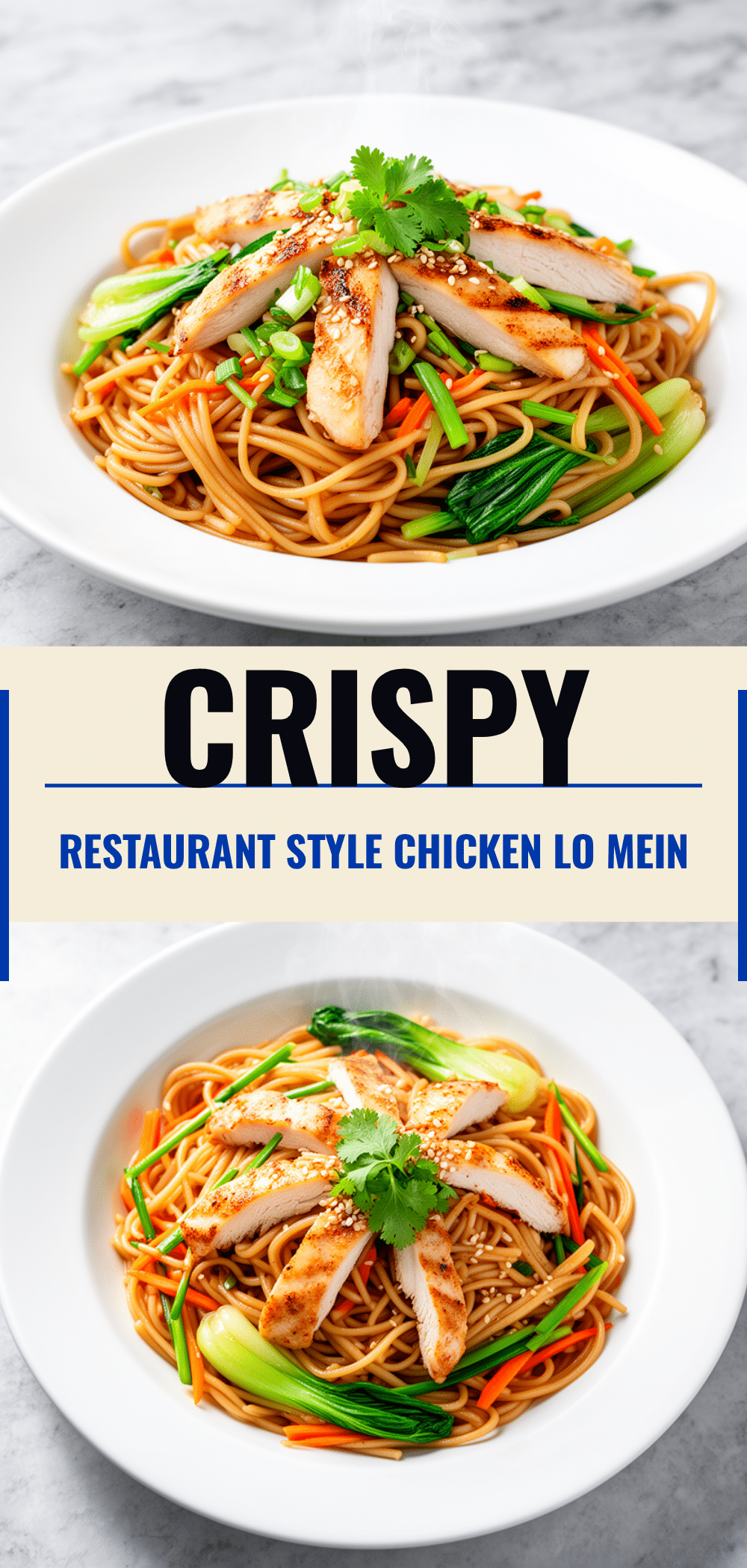
Restaurant-Style Chicken Lo Mein: 30-Min Easy Dinner
- Total Time: 30 minutes
- Yield: 6 servings 1x
Description
A quick, healthier homemade version of classic Chinese takeout lo mein. This recipe features tender velveted chicken, fresh vegetables, and a savory-sweet sauce, all coming together in just 30 minutes.
Ingredients
- 1 pound fresh lo mein noodles (or dried egg noodles/spaghetti cut in half)
- 1 tablespoon neutral cooking oil (for noodles)
- 1.5 pounds boneless, skinless chicken breast, sliced thinly against the grain
- 1 tablespoon soy sauce (for marinade)
- 1 teaspoon cornstarch (for marinade)
- 1 teaspoon sesame oil (for marinade)
- 2 cups broccoli florets, cut into bite-sized pieces
- 2 medium carrots, julienned or thinly sliced
- 4–5 stalks green onions, sliced (white parts for cooking, green parts for garnish)
- 4 cloves garlic, minced
- 1 tablespoon fresh ginger, minced or grated
- 3 tablespoons soy sauce (for sauce)
- 2 tablespoons oyster sauce
- 1 tablespoon brown sugar
- 1 teaspoon white vinegar or rice vinegar
- 1 teaspoon toasted sesame oil
- 2 tablespoons chicken broth
- 1 tablespoon neutral cooking oil (for stir-frying)
- Red pepper flakes or chili crisp (optional, for garnish)
- Toasted sesame seeds (optional, for garnish)
Instructions
- Slice chicken breasts into thin strips against the grain. Place in a bowl with 1 tablespoon soy sauce, 1 teaspoon cornstarch, and 1 teaspoon sesame oil. Mix well and let sit to marinate.
- Chop broccoli into small florets, julienne carrots, and mince garlic and ginger. Slice the white parts of the green onions.
- In a small bowl, whisk together 3 tablespoons soy sauce, 2 tablespoons oyster sauce, 1 tablespoon brown sugar, 1 teaspoon vinegar, 1 teaspoon sesame oil, and 2 tablespoons chicken broth until sugar is dissolved.
- Bring a large pot of salted water to a boil. Add noodles and cook for 3-4 minutes until tender but al dente. Drain, rinse briefly with cold water, and toss with 1 tablespoon neutral oil to prevent sticking.
- Heat 1 tablespoon oil in a wok or large skillet over medium-high heat. Add marinated chicken in a single layer and cook undisturbed for 2 minutes to sear. Stir and cook for another 3 minutes until golden and cooked through. Remove chicken and set aside.
- Add another tablespoon of oil to the same pan. Add broccoli and carrots, stir-frying for 2 minutes until slightly softened. Add garlic, ginger, and white parts of green onions, cooking for 30 seconds until fragrant.
- Return chicken and noodles to the pan with vegetables. Pour sauce over everything and toss vigorously with tongs for 1-2 minutes until sauce thickens and coats the noodles.
- Transfer to serving bowls and top with green onion greens, sesame seeds, and red pepper flakes if desired. Serve immediately.
Notes
Do not overcook the noodles; they should be al dente as they will continue to cook in the sauce. Use high heat for stir-frying to achieve ‘wok hei’ flavor. The cornstarch marinade ‘velvets’ the chicken, keeping it tender. If the sauce is too thick, add a splash of broth or water. Leftovers can be stored in the refrigerator for up to 3 days.
- Prep Time: 10 minutes
- Cook Time: 20 minutes
- Category: Main Course
- Cuisine: Chinese
Nutrition
- Serving Size: 1 bowl
- Calories: 450
- Sugar: 6
- Sodium: 680
- Fat: 12
- Saturated Fat: 2
- Carbohydrates: 55
- Fiber: 3
- Protein: 25
Keywords: chicken lo mein, lo mein recipe, chinese takeout at home, quick dinner, stir fry noodles, restaurant style lo mein, easy weeknight dinner