Last Tuesday, I was standing in my kitchen at 6:45 PM, staring at a ceiling fan that was spinning way too fast, wondering how I was going to feed my family when I had exactly zero energy to cook. The kids were already arguing about homework. The dog was begging for scraps. And I had a bag of frozen shrimp thawing in the sink that I’d forgotten about earlier in the day.
Usually, this is the moment I order takeout. But I was out of patience (and money), so I decided to throw together what I thought would be a mediocre, rushed meal. I grabbed some pasta, a stick of butter, a lemon from the counter, and a mountain of garlic. I figured, “What’s the worst that could happen? It’ll just be salty butter noodles.”
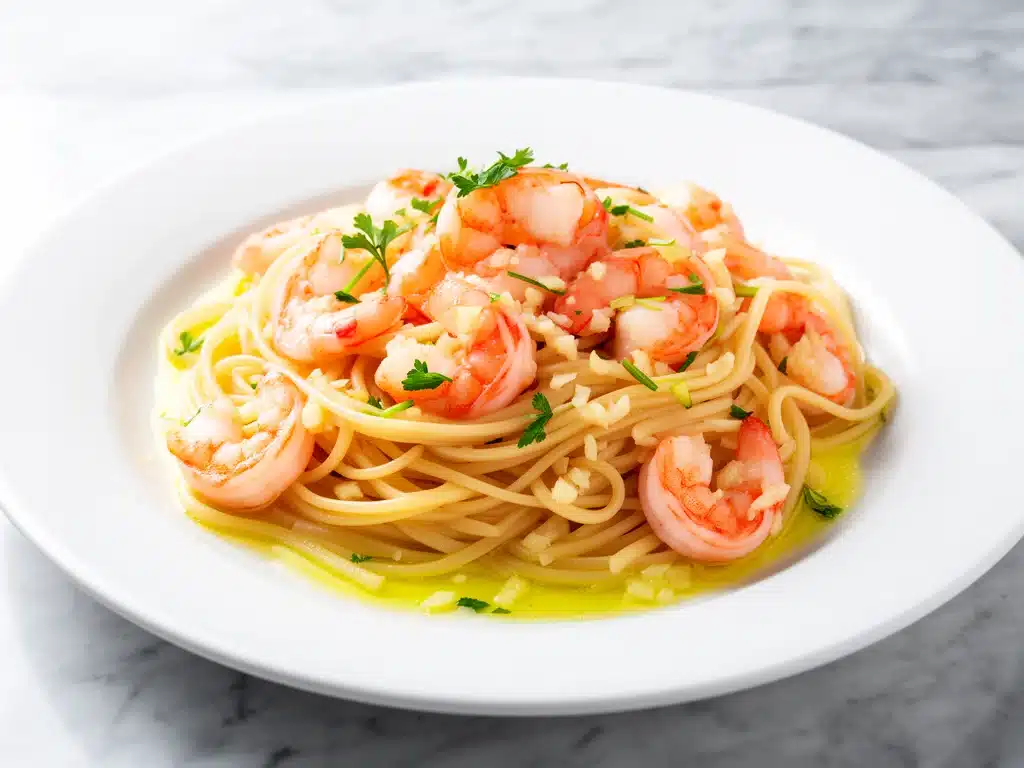
Thirty minutes later, the smell of garlic and citrus had completely transformed the house. My husband walked in, took one bite, and actually stopped mid-sentence. That was the moment I realized I had accidentally stumbled onto the perfect weeknight dinner. This lemon garlic butter shrimp pasta isn’t just good for a rushed night; it’s genuinely restaurant-quality. It’s bright, it’s creamy without being heavy, and it comes together faster than you can scroll through delivery apps.
I’ve made this lemon garlic butter shrimp pasta at least a dozen times since that chaotic Tuesday. Sometimes I add spinach. Sometimes I use angel hair because it cooks even faster. But the core recipe remains the same: simple ingredients, maximum flavor, and zero stress. If you’re tired of the same old chicken dinners, this is the game-changer you’ve been looking for.
Why You’ll Love This Recipe
There are a lot of pasta recipes out there. So why this one? Why am I telling you to make this lemon garlic butter shrimp pasta instead of the marinara you’ve been making for years?
It’s Ready in 20 Minutes — Seriously. I timed it. From the moment I turned on the stove to the moment I pulled the first bite out of the pan, it took 18 minutes. This is the kind of speed you need when you’re working late or dealing with hungry kids who think dinner is “an emergency.” I make this on weeknights when I get home exhausted, and it feels like a win every single time.
It Tastes Like a Vacation — There’s something about the combination of bright lemon juice and rich butter that just hits different. It’s not heavy like a Alfredo. It’s not acidic like a pure tomato sauce. It’s balanced. The shrimp gets coated in that garlicky butter sauce, and every bite has that pop of citrus. It feels fancy, like something you’d order at a seaside bistro, but it costs pennies compared to dining out.
It Uses One Pan (Mostly) — Okay, you need a pot for the pasta, but the sauce? The shrimp? Everything happens in one large skillet. I love minimal cleanup. After a long day, the last thing I want to do is scrub five different pots. With this lemon garlic butter shrimp pasta, I wash one skillet and one colander. Done.
It’s Kid-Approved (Even by Picky Eaters) — My kids are not big fans of “fancy” food. They like cheese and carbs. But the lemon here is subtle enough that it doesn’t scare them off, and the butter makes it feel like a treat. I’ve served this to friends who are usually skeptical of shrimp, and they’ve asked for the recipe twice. It’s a crowd-pleaser that works for date nights, family dinners, or just feeding yourself after a hard day.
This recipe has completely changed our weeknight rotation. It’s reliable, it’s delicious, and it makes me feel like a good cook even when I’m running on fumes.
Ingredients You’ll Need
Here’s the best part: you probably have most of these ingredients already. This isn’t a recipe that requires a trip to three different specialty stores. It’s pantry-friendly with a few fresh additions.
For the Pasta and Shrimp
Shrimp (1 pound / 450g) — Look for raw shrimp that are peeled and deveined. Size 21/25 or 31/40 are perfect. Avoid the ones that say “tossed in sodium pyrophosphate”—that chemical keeps them frozen and rubbery. Fresh or frozen (thawed) is best. If you’re in a rush, pre-peeled saves time, but you still need to devein them.
Pasta (12 ounces / 340g) — I love linguine or fettuccine here because the flat noodles hold onto that buttery sauce beautifully. Angel hair works too if you want it super quick. Spaghetti is fine, but I find it can get slippery. Rigatoni is a fun alternative if you want to catch the sauce in the tubes. Whatever you use, make sure it’s a shape you like.
Butter (4 tablespoons / 60g) — Unsalted butter gives you control over the salt level. I use good quality European-style butter if I have it—it has a richer flavor. But standard salted butter works fine too; just reduce the added salt later.
Garlic (6-8 cloves, minced / about 3 tablespoons) — Yes, that many. Don’t be shy. Garlic is the star here alongside the lemon. Fresh only. Please, for the love of all that is holy, do not use jarred garlic for this. It tastes metallic and bitter when cooked in butter. Fresh minced garlic is non-negotiable for this lemon garlic butter shrimp pasta.
For the Sauce
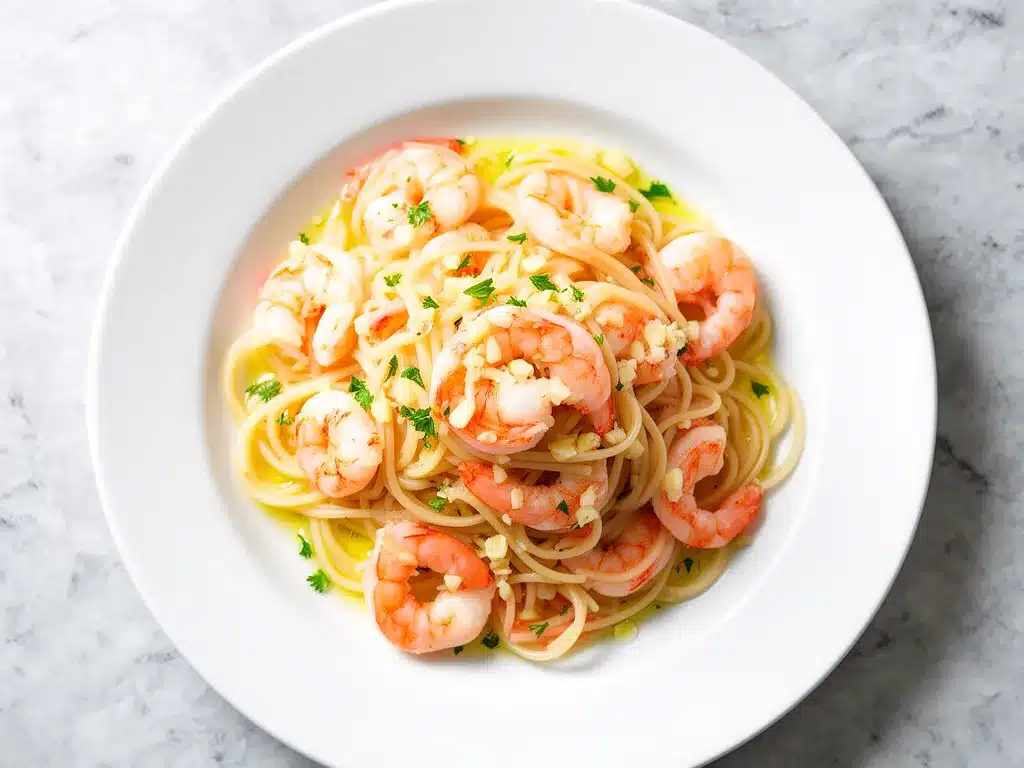
Lemon (2 medium lemons) — You’ll need the juice of one and the zest of the other. Fresh lemon juice is acidic and bright. Bottled lemon juice tastes like cleaning fluid and will ruin this dish. If you can, buy organic lemons so you can zest them without worrying about wax or pesticides.
White Wine (½ cup / 120ml) — This deglazes the pan and adds depth. I use a dry Pinot Grigio or Sauvignon Blanc. If you don’t drink wine, you can substitute with chicken broth or even just extra lemon juice plus a splash of water. But the wine really lifts the flavor. I keep a cheap bottle of cooking wine specifically for things like this.
Red Pepper Flakes (½ teaspoon) — Just a pinch. It adds a tiny background heat that makes the lemon and garlic pop. You don’t want it spicy, just interesting. If you’re serving kids, skip this or use a tiny pinch.
Parsley (¼ cup, fresh chopped) — Flat-leaf parsley is best. It adds a fresh, grassy note that cuts through the richness of the butter. Dried parsley? No. It tastes like dust. Fresh is the way to go.
Salt and Black Pepper — To taste. I usually use about ½ teaspoon of kosher salt for the shrimp, plus more for the pasta water.
Optional Add-ins: I sometimes throw in a handful of baby spinach at the end—it wilts instantly and adds color. Or some sun-dried tomatoes for a tangier kick. But the base recipe is perfect on its own.
Equipment Needed
You don’t need fancy gadgets for this. Here’s what I actually use in my kitchen.
Large Skillet or Sauté Pan — I use a 12-inch stainless steel skillet. It needs to be big enough to hold the shrimp in a single layer. If your pan is too small, the shrimp will steam instead of sear, and you’ll lose that nice brown color. Non-stick works too, but stainless steel gives a better sear.
Large Pot — For boiling the pasta. A 6-quart pot is standard. Make sure it’s big enough so the pasta has room to move.
Sharp Knife and Cutting Board — For mincing the garlic and chopping parsley. A dull knife is dangerous and makes mincing garlic a nightmare. Keep your knife sharp.
Zester or Microplane — For getting that lemon zest. A regular grater works, but a microplane gives you fine, fluffy zest that melts into the sauce. Avoid the big holes that give you thick strips of peel.
Colander — For draining the pasta. Or just use the lid if you’re feeling lazy (but be careful, hot water is no joke).
Tongs — For tossing the pasta and shrimp. Forks work, but tongs are faster and less messy.
Measuring Spoons — Standard stuff. I have a set from the dollar store that works fine.
How to Make It: Step-by-Step
Alright, let’s make this! I’m walking you through exactly how I do it, including the little tricks I’ve picked up over the years.
Step 1: Prep Everything (5 minutes)
Before you turn on the stove, get your act together. This is a fast-cooking recipe, so if you’re mincing garlic while the butter is burning, you’re in trouble. Peel and devein your shrimp (if they aren’t already). Pat them dry with paper towels—this is crucial for searing. Mince your garlic. Zest your lemon and juice the other one. Chop your parsley. Measure out your wine. Have your pasta ready to go. This prep work makes the actual cooking stress-free.
Step 2: Boil the Pasta (8-10 minutes)
Bring a large pot of salted water to a boil. The water should taste like the ocean—use about 1 tablespoon of salt per pound of pasta. Add the pasta and cook according to package directions until al dente. This usually takes 8-10 minutes for linguine. IMPORTANT: Before you drain the pasta, scoop out ½ cup of the starchy pasta water and set it aside. This liquid gold is what helps the sauce cling to the noodles. Drain the pasta and set it aside. Don’t rinse it!
Step 3: Sear the Shrimp (3-4 minutes)
While the pasta cooks, heat the butter in your large skillet over medium-high heat. Once the butter is foamy and hot, add the shrimp in a single layer. Season them with salt and pepper. Let them cook undisturbed for 1-2 minutes until the bottoms are pink and slightly browned. Then flip them. Cook for another 1-2 minutes until they are opaque and cooked through. Remove the shrimp from the pan and set them aside on a plate. Do not overcook them, or they’ll get rubbery. They will finish cooking in the sauce later.
Step 4: Make the Garlic Butter Sauce (2 minutes)
Reduce the heat to medium. In the same pan with the shrimp fat and butter, add the minced garlic and red pepper flakes. Stir constantly for about 30-60 seconds. You want the garlic to be fragrant and golden, not brown. Browned garlic is bitter. If it starts to smoke, take the pan off the heat for a second.
Step 5: Deglaze and Combine (3 minutes)
Pour in the white wine (or broth) to deglaze the pan. Scrape up any browned bits from the bottom—those are flavor bombs. Let it simmer for 1 minute to let the alcohol cook off. Then, add the lemon juice and lemon zest. Stir well. Let it bubble for another minute to thicken slightly.
Step 6: Toss It All Together (2 minutes)
Add the drained pasta and the cooked shrimp (along with any juices on the plate) back into the skillet. Toss everything together with tongs. If the sauce looks too thick or dry, add a splash of that reserved pasta water. The starch will help emulsify the butter and lemon into a glossy sauce. Taste and adjust seasoning. Add more salt, pepper, or lemon juice if needed.
Step 7: Serve
Remove from heat. Stir in the fresh chopped parsley. Serve immediately with extra lemon wedges on the side and maybe some grated Parmesan if you’re feeling indulgent. This lemon garlic butter shrimp pasta is best eaten hot and fresh.
Total Time: About 20 minutes (5 minutes prep, 15 minutes cooking)
Expert Tips & Tricks
Here’s everything I’ve learned from making this dozens of times. These tips will save you from my mistakes.
Pat Your Shrimp Dry
This is the #1 mistake people make. Wet shrimp steam. Dry shrimp sear. If your shrimp are wet, they won’t get that nice golden color, and they’ll release water into the pan, making the sauce watery. Use paper towels. It takes 30 seconds and makes a huge difference.
Don’t Overcook the Shrimp
Shrimp cook incredibly fast. They go from perfect to rubbery in about 30 seconds. Remove them from the pan when they are just barely opaque in the center. They will continue to cook when you toss them back in with the hot pasta. Trust me. It’s better to slightly undercook than overcook.
Use Real Butter
Marble butter or European-style butter has a higher fat content and a richer flavor. It makes the sauce taste more luxurious. If you’re using salted butter, reduce the added salt in the recipe. I’ve tasted the difference, and my family can tell when I’m being cheap with the butter.
Save the Pasta Water
I can’t stress this enough. That starchy water is the secret to a restaurant-quality sauce. It helps the oil and water emulsify, creating a creamy texture without actually using cream. I set out my measuring cup before I start cooking so I don’t forget.
Zest Before You Juice
Always zest your lemon before you cut it to juice it. If you cut it first, the oils in the peel dry out, and you get less zest. Plus, it’s easier to hold a whole lemon while zesting.
Common Mistakes
Sauce is too thin: Let it simmer longer, or add a splash of pasta water to help it cling.
Sauce is too thick: Add more pasta water or a splash of wine.
Garlic is burning: Lower the heat immediately. Garlic burns fast. If it’s already burnt, you might need to start over with a new pan—it tastes bitter.
Variations & Substitutions
Once you’ve nailed the basic version, here’s how you can mix it up. I’ve tried all of these.
Vegetable-Packed Version
Add 2 cups of fresh spinach or arugula in the last minute of cooking. Just toss it in before you add the pasta. It wilts instantly and adds a nice nutritional boost. I do this when I want to feel like I’m eating a salad with my pasta.
Creamy Lemon Version
Stir in ½ cup of heavy cream or half-and-half after adding the wine. This makes it richer, almost like a lemon Alfredo. Great for cold nights or when you want something extra comforting.
Spicy Kick
Double the red pepper flakes or add a pinch of cayenne. If you like heat, this version is fantastic. I sometimes add a drizzle of chili oil at the end for extra flavor.
Gluten-Free
Use gluten-free pasta. Most brands work well in this sauce because the sauce is light and coats everything nicely. I’ve used Barilla and Ronzoni gluten-free with good results.
Dairy-Free
Substitute the butter with olive oil. It changes the flavor profile slightly, but it’s still delicious. Use nutritional yeast instead of Parmesan if you’re avoiding dairy.
Other Proteins
Chicken? Yes. Slice chicken breasts into thin strips and cook them like the shrimp. Scallops? Absolutely. They pair beautifully with lemon and garlic. Salmon? A bit different, but still tasty.
Serving & Storage
How to Serve
I usually serve this straight from the skillet. It looks rustic and stays warm. But here are other ways I’ve enjoyed it:
- Garlic Bread: Obviously. You need something to soak up the sauce.
- Green Salad: A simple arugula salad with lemon vinaigrette complements the dish perfectly. It keeps the meal light.
- Roasted Vegetables: Asparagus or broccoli roasted with olive oil and lemon pairs well.
Wine Pairing
Not a wine expert, but my wine-snob friend says a crisp Pinot Grigio or Sauvignon Blanc works great. The acidity in the wine matches the acidity in the lemon. If you don’t drink wine, sparkling water with lemon is a great non-alcoholic option.
Storage Instructions
Refrigerator: Store leftovers in an airtight container for up to 3 days. The shrimp might get a bit rubbery upon reheating, but the pasta and sauce are still good.
Reheating: Best method: Add a splash of water or broth to a skillet, add the leftovers, and heat gently over low heat. Stir frequently. Microwave works too, but add a splash of water and heat in 30-second intervals, stirring between. Avoid high heat, or the shrimp will turn into rubber bands.
Freezing: I don’t recommend freezing this. The dairy and shrimp don’t freeze well together. The texture changes, and the sauce can separate. It’s best eaten fresh.
Nutrition Information
I’m not a nutritionist, but here’s the breakdown if you’re tracking. Keep in mind that these are estimates based on standard ingredients.
Per Serving (based on 4 servings):
- Calories: 520
- Protein: 28g
- Carbs: 55g
- Fiber: 3g
- Sugar: 2g
- Fat: 22g
- Saturated Fat: 12g
- Cholesterol: 180mg
- Sodium: 450mg
What’s Good:
- High in protein from the shrimp.
- Relatively low in sugar.
- Good source of selenium and vitamin B12 from the shrimp.
What to Know:
- Higher in saturated fat due to the butter.
- Contains gluten (unless using GF pasta).
- Can be made lighter by reducing butter and using whole wheat pasta.
My Take:
Look, this is a pasta dish with butter and shrimp. It’s not a diet food. But it’s way better than takeout, and the protein keeps you full. When I want to make it lighter, I use less butter and add more vegetables. But usually? I just enjoy a reasonable portion and appreciate the flavor.
Final Thoughts
So that’s my go-to lemon garlic butter shrimp pasta! I’ve probably talked your ear off at this point, but when you make a recipe this often, you have a lot to say about it.
This has saved weeknight dinners more times than I can count. It’s my answer to “what’s for dinner” when I’m tired, don’t want takeout, and still want something that tastes really good. My kids are happy, my husband’s happy, and I’m happy because I’m not stressed about cooking.
Make it yours! Try different add-ins, swap in your favorite vegetables, adjust the garlic (though more is always better in my opinion). The best recipes are the ones you adapt to your family’s tastes. If you’re looking for more quick dinners, check out my cheesy broccoli and chicken fritters for a fun twist on school-night meals, or try this bacon cheddar ranch pasta salad for a cold option when the weather is hot.
If you make this, drop a comment and let me know what you think! I love hearing how recipes turn out in your kitchen. And if something doesn’t work, tell me that too—I’m here to help troubleshoot.
Happy cooking! And I hope your kitchen smells half as good as mine does right now.
Frequently Asked Questions
Can I use frozen shrimp?
Yes! Just make sure to thaw them completely before cooking. I usually put them in a bowl of cold water for 15 minutes to speed up the process. Pat them very dry before adding to the pan. If you cook them while still frozen, they’ll release too much water and steam instead of sear.
What kind of wine should I use?
Use a dry white wine that you would drink. Pinot Grigio, Sauvignon Blanc, or a dry Chardonnay work well. Avoid cooking wines—they’re full of salt and preservatives. If you don’t drink alcohol, use chicken broth or vegetable broth. It won’t have the same acidity, but it’ll still be tasty.
Can I make this ahead of time?
Not really. Shrimp are best cooked fresh. You can prep the ingredients (peel shrimp, mince garlic, juice lemon) ahead of time and store them in the fridge. But cook the pasta and shrimp right before serving for the best texture. The pasta can get mushy if it sits in the sauce too long.
Why did my shrimp turn out rubbery?
You probably overcooked them. Shrimp cook in just a few minutes. As soon as they turn pink and opaque, they’re done. If you leave them in the pan too long, the proteins tighten up and they become chewy. Remember, they’ll finish cooking when you toss them back in with the hot pasta.
Can I use lemon juice from a bottle?
I really don’t recommend it. Bottled lemon juice has preservatives and tastes flat and metallic. Fresh lemon juice has a bright, vibrant acidity that balances the rich butter. It’s a small effort for a huge difference in flavor. Please, use fresh lemons.
How do I reheat leftovers without drying them out?
Add a splash of water, broth, or milk to a skillet. Heat gently over low heat, stirring frequently. The liquid helps rehydrate the pasta and keeps the sauce creamy. Avoid the microwave if you can, as it tends to heat unevenly and make the shrimp rubbery. If you must use the microwave, add a splash of liquid and heat in short bursts, stirring in between.
Can I double this recipe?
Yes, but you’ll need a larger skillet. If you overcrowd the pan, the shrimp will steam instead of sear. I recommend cooking the shrimp in batches if you’re doubling the recipe. Cook the first batch, remove it, then cook the second batch. The pasta and sauce can be doubled in the same pot.
Pin This Recipe!
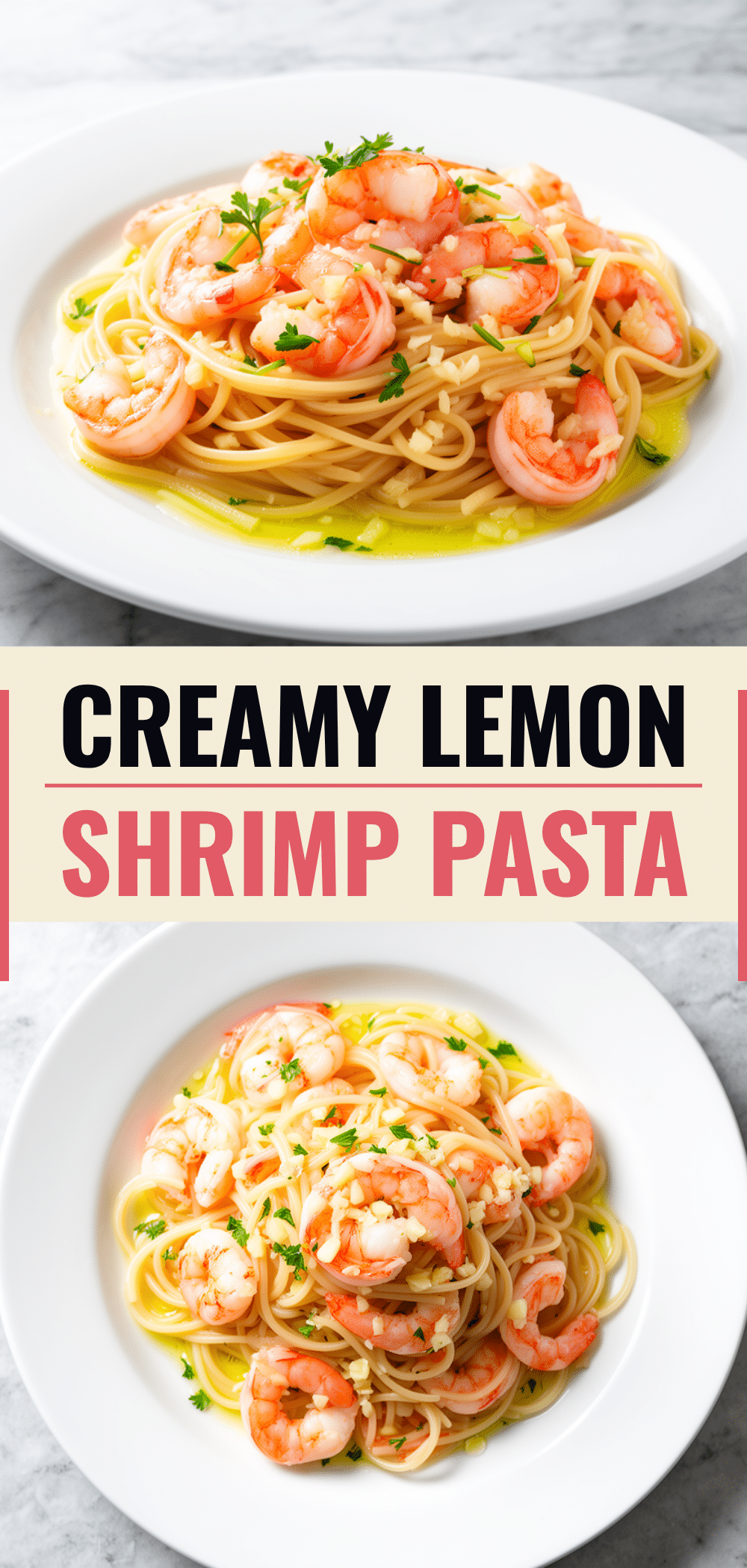
Lemon Garlic Butter Shrimp Pasta
- Total Time: 20 minutes
- Yield: 4 servings 1x
Description
A quick, restaurant-quality weeknight dinner featuring shrimp in a bright, creamy lemon garlic butter sauce. Ready in just 20 minutes with minimal cleanup.
Ingredients
- 1 pound raw shrimp, peeled and deveined
- 12 ounces linguine, fettuccine, or spaghetti
- 4 tablespoons unsalted butter
- 6–8 cloves garlic, minced
- 2 medium lemons (juice of one, zest of the other)
- 1/2 cup dry white wine (such as Pinot Grigio or Sauvignon Blanc)
- 1/2 teaspoon red pepper flakes
- 1/4 cup fresh flat-leaf parsley, chopped
- Salt and black pepper to taste
- 1 tablespoon salt (for pasta water)
Instructions
- Prep all ingredients: Peel and devein shrimp, pat dry, mince garlic, zest and juice lemons, and chop parsley.
- Bring a large pot of salted water to a boil. Add pasta and cook until al dente (8-10 minutes). Reserve 1/2 cup of starchy pasta water before draining.
- While pasta cooks, heat butter in a large skillet over medium-high heat. Add shrimp in a single layer, season with salt and pepper, and sear for 1-2 minutes per side until pink. Remove shrimp from pan and set aside.
- Reduce heat to medium. Add minced garlic and red pepper flakes to the skillet. Stir constantly for 30-60 seconds until fragrant but not brown.
- Pour in white wine to deglaze the pan, scraping up browned bits. Simmer for 1 minute.
- Add lemon juice and zest. Stir and let bubble for 1 minute to thicken slightly.
- Add drained pasta and cooked shrimp back to the skillet. Toss to combine, adding reserved pasta water as needed to create a glossy sauce.
- Remove from heat, stir in fresh parsley, and serve immediately with lemon wedges.
Notes
Pat shrimp dry before cooking to ensure they sear rather than steam. Do not overcook shrimp or they will become rubbery. Save pasta water to help emulsify the sauce. Use fresh lemon juice and garlic for best flavor; avoid jarred garlic or bottled lemon juice.
- Prep Time: 5 minutes
- Cook Time: 15 minutes
- Category: Main Course
- Cuisine: Italian
Nutrition
- Serving Size: 1/4 of the recipe
- Calories: 520
- Sugar: 2
- Sodium: 450
- Fat: 22
- Saturated Fat: 12
- Carbohydrates: 55
- Fiber: 3
- Protein: 28
Keywords: shrimp pasta, lemon garlic butter, quick dinner, weeknight meals, seafood pasta, easy recipes, 20 minute meals